
Directory Coverage for Culver City People Search
Culver City directory work starts with scope. The city website names officials and department contacts, but it is not a single searchable all-staff directory. CCUSD is the clearest current local staff directory. West Los Angeles College and LACCD add higher-education contacts. County and state records add name indexes for property, recorded documents, business names, and licensed professionals. For older residents, the strongest directory sources shift to Julian Dixon Library, LAPL genealogy holdings, newspapers, and the Culver City Historical Society City Archives.
| Directory | Who It Lists | Keeper | Access |
|---|---|---|---|
| Culver City department pages | Department heads, public-facing divisions, boards, commissions, city contacts | City of Culver City | Public website |
| CCUSD staff directory | District and school staff, titles, extensions, and posted email links | Culver City Unified School District | Searchable web directory |
| CDE CCUSD directory detail | District officers and education-agency contact facts | California Department of Education | Public state directory |
| WLAC and LACCD directories | College faculty and staff tied to the Culver City area | West Los Angeles College / LACCD | College directory and district directory |
| Recorder and Assessor indexes | Grantors, grantees, parcel contacts, property clues, and AIN/address data | Los Angeles County RR/CC and Assessor | Assessor portal; RR/CC counter or request path |
| FBN, SOS, and license directories | Business registrants, entity contacts, contractors, attorneys, real-estate and other licensees | County and California agencies | Official public lookup portals |
| Historical city directories and newspapers | Past residents, businesses, officeholders, addresses, and family notices | Julian Dixon Library, LAPL, Historical Society | Library/archive access and selected online collections |
Choose the directory by the relationship you already know. A school name points to CCUSD or CDE. A college role points to WLAC or LACCD. A parcel address points to the Assessor, then to recorder documents if ownership history matters. A business name points to fictitious business name data, Secretary of State records, and license boards. A person tied to an older address may be easier to trace through city directories, reverse directories, newspapers, and archives than through a current web search.
Culver City Government Contacts Are Department-Based
The Culver City government directory is a department roster, not a single public employee search. The city departments page is useful because it routes a people lookup by function: City Clerk, Building Safety, Public Works, Human Resources, Technology, Police Records, communications, boards, and commissions. Research examples include Human Resources listing Dana Anderson as Director/Chief Human Resources Officer, Technology listing Acting Chief Information Officer Johnnie Griffing, Public Works listing Engineering Services Manager Mate Gaspar, and the media page listing Dustin Klemann as Chief Communications and Public Affairs Officer.
| Directory style | Browse by department, division, board, commission, or public contact page. |
|---|---|
| Common fields | Name, title, department, division phone, email link, office or service location when posted. |
| City Hall | 9770 Culver Blvd., Culver City, CA 90232. |
| Police records | Records Unit, 4040 Duquesne Ave.; report requests by email, phone, or in person where releasable. |
| Fallback | Use the department main line, City Clerk, or a focused CPRA request when a specific name is not posted. |
County and state contacts should be separated from city contacts. Los Angeles County RR/CC, the Los Angeles County Assessor, Los Angeles Superior Court, and California state boards are the keepers for many records that affect Culver City residents but are not Culver City departments. The directory value is knowing which level of government controls the record before looking for the person attached to it.
CCUSD Is the Strongest Local Staff Directory
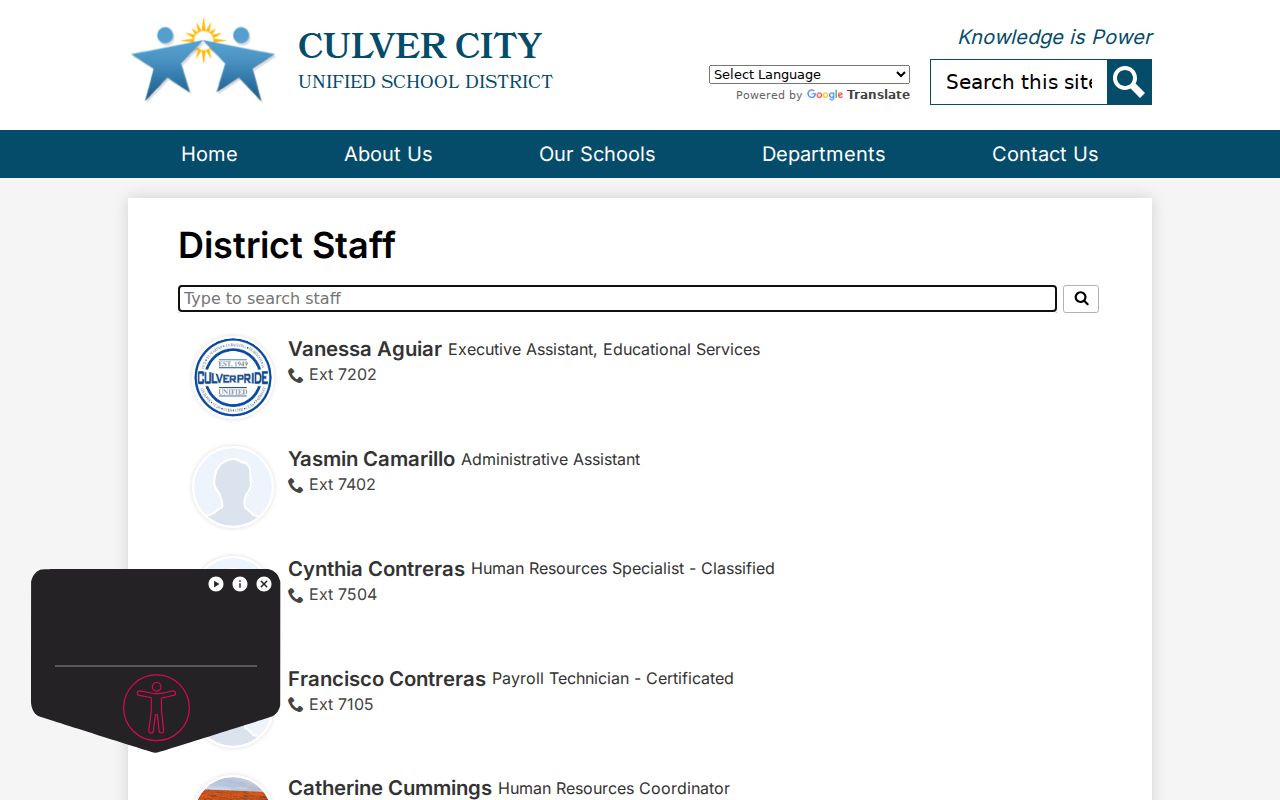
Culver City Unified School District provides the most direct current people directory found in the research. The CCUSD staff page includes a search box for people on the page and staff entries that can show names, titles, extensions, and sometimes email links. It is a practical directory for district-office personnel and school-level contacts because it is organized around posted staff records rather than around a records request process.
| CCUSD field or feature | How it helps a directory search | Notes from research |
|---|---|---|
| Search for people on this page | Filters visible staff entries by name or keyword | Free public page search |
| Staff entry | Shows the directory result for a person | Name, title, and extension appear in sample entries |
| School and district pages | Lets a searcher browse staff by campus or function | Useful when the exact name is uncertain |
| Email links | May provide official school contact route | Not every entry exposes the same fields |
| Sample entry field | What it shows |
|---|---|
| Name | A posted staff name, such as the sample research entry Vanessa Aguiar. |
| Title | Role or office, such as Executive Assistant, Educational Services. |
| Extension | Work extension, such as Ext 7202 in the sample captured by research. |
| Limits | No private home contact data, birth dates, or personnel files. |
CDE, WLAC, and LACCD Education Directories Near Culver City
The California Department of Education directory is useful when the target is the school district itself rather than an individual campus page. Its CCUSD detail page gives district-level directory information such as district officers, superintendent and chief business official fields, address, phone, and fax. That makes CDE a state-maintained confirmation source for the local district identity.
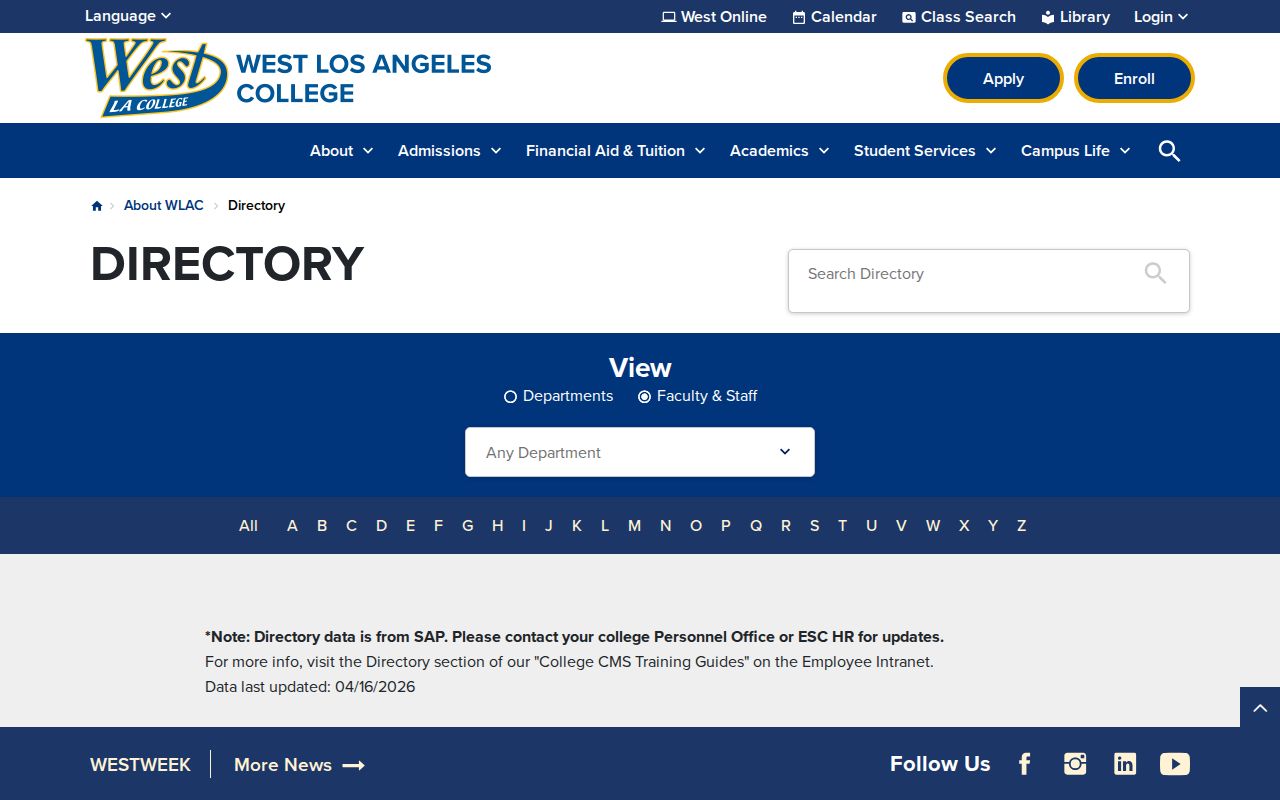
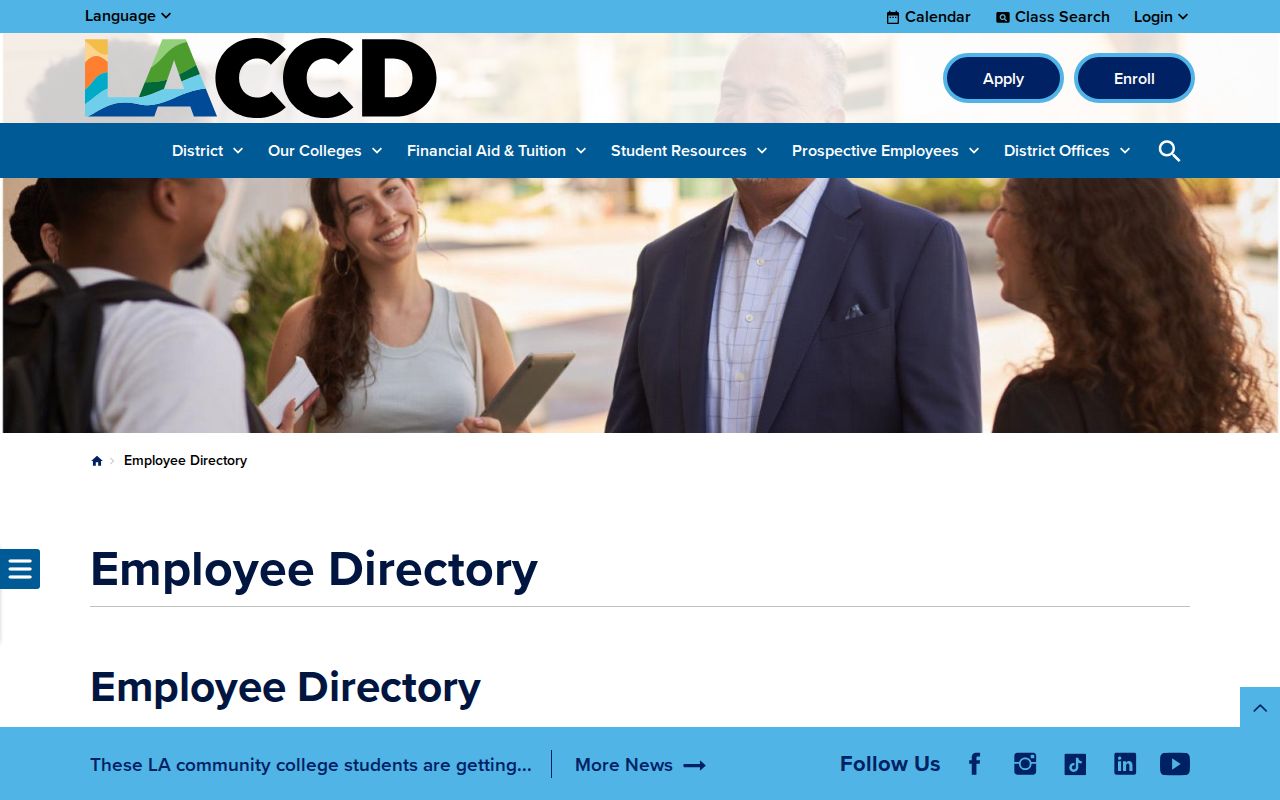
For higher education, West Los Angeles College and the Los Angeles Community College District are separate directory routes. WLAC is tied to the Culver City area and publishes a directory page; LACCD provides a district employee directory redirect. Use these directories for college faculty and staff contacts, while keeping them distinct from K-12 CCUSD listings.
Public Records That Work Like Culver City Name Directories
Several official record systems are not phone books, but they function like directories because they are indexed by names, parcels, businesses, or licenses. For Culver City, the most important are the Los Angeles County recorder index, Assessor parcel data, fictitious business name data, Secretary of State business entities, and professional license systems. These sources often identify a person through a role: grantor, grantee, owner contact, registrant, officer, agent, licensee, or contractor.
The recorder index is the most important example and the most limited online. Los Angeles County RR/CC maintains real-estate records dating to 1851, with older records available on the lower level at Norwalk and 1958-present records on the second floor. The official research point is that Los Angeles County does not provide internet access to real-estate records or indexes. For a Culver City deed-name search, the usual directory path is Assessor address or AIN first, then an RR/CC appointment, counter review, mail request, or copy request.
Property and Permit Directories for Culver City Addresses
Property directories answer a different person-search question: who is tied to an address, parcel, project, or recorded document. The LA County Assessor Portal supports AIN and address searches, and the Assessor Map Search exposes parcel boundaries and reference layers. A parcel result can show the Assessor Identification Number, situs address, tax rate area, legal description or subdivision clues, assessed values, year built, use type, building square footage, and map links. Ownership fields may be limited online, so recorded deeds and official requests remain part of the chain.
Culver City Building Safety adds a local layer for permits. The city’s permit information says the online portal can handle building, demolition, mechanical, electrical, and plumbing applications; permit-fee payment; plan-check corrections; permit status; inspection status; and permit-history search. A permit entry can connect an address to an owner, applicant, contractor, project description, inspections, or corrections when those fields are public. That is directory data by project rather than by household.
Business and Professional Directories for Culver City Names
Business and professional directories are strong in Culver City because local identity often runs through entertainment, media, technology, retail, medical, property, and service businesses. The Los Angeles County fictitious business name portal is useful for sole proprietors and DBAs, with open-data coverage from February 2024-present. Search fields include business name, city, ZIP code, and filing-date filters, and results may expose owner or registrant fields depending on the dataset.
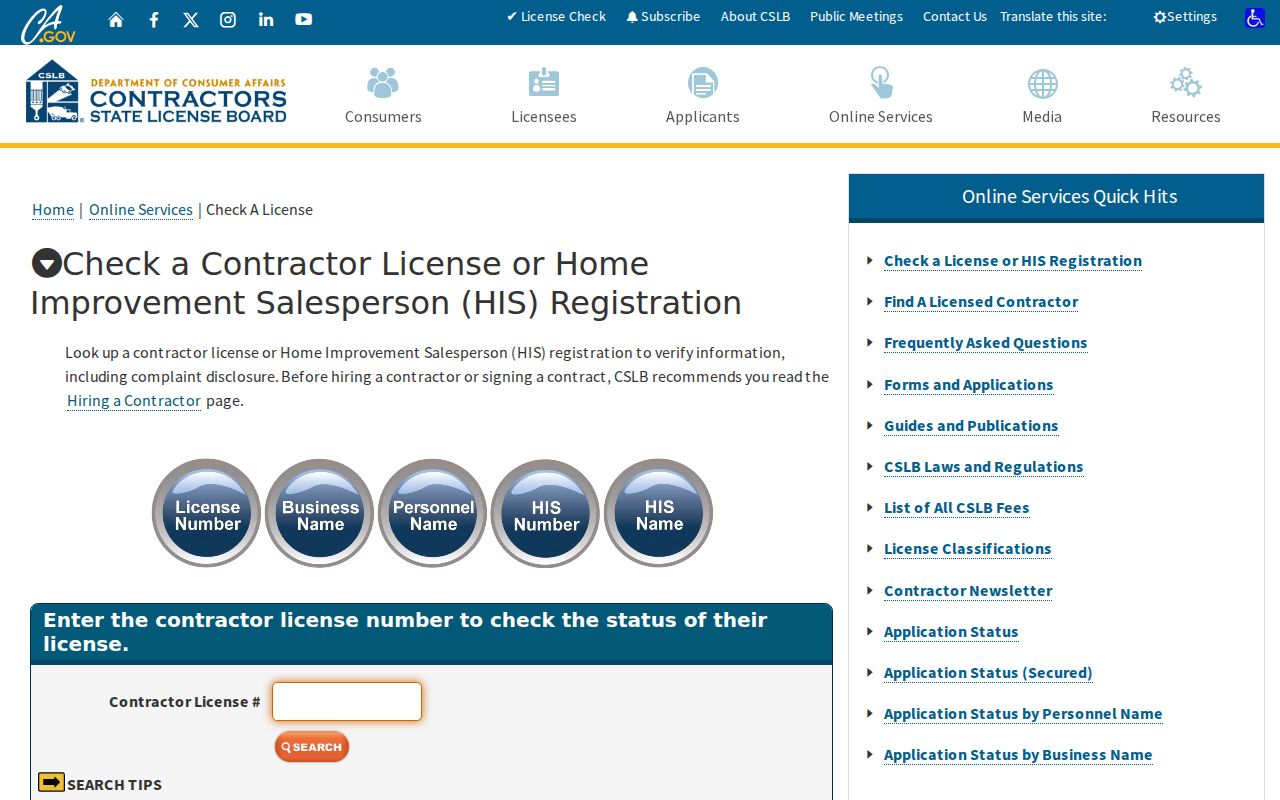
State systems fill in the professional side. California SOS bizfile searches entity names and numbers and can show status, filing history, registered agents, addresses, and officers or managers where filed. SOS UCC searches debtor, secured party, or file number. DCA advanced license search accepts first name, last name, license number, business name, board, license type, city/county, and status filters. State Bar, CSLB, and DRE add attorney, contractor, and real-estate license directories.
Modern Phone Directories Are Thin for Culver City
Current phone directories are weaker than older print directories and official people indexes. The research does not support treating commercial white-page remnants as complete or official. For current contact work, official public pages, school directories, licensing directories, and business filings are usually more dependable than a broad phone-book-style search. For lawful personal reconnection or genealogy, phone clues should be checked against official or library sources before relying on them.
Older phone books and reverse or criss-cross directories are more valuable for historical address work. The research found city directories dating from the 19th century at Julian Dixon Library and large Los Angeles-region city-directory holdings at LAPL, but it did not confirm exact standalone Culver City phone-book or criss-cross years. Treat that gap honestly: call or visit the library or LAPL genealogy department when a specific address-year lookup matters.
Julian Dixon, LAPL, and Historical Society Directory Sources
The Culver City Julian Dixon Library is a major directory source because it hosts LA County Library’s Californiana Collection. Research found more than 24,000 books, more than 200 magazine and newspaper titles in paper and microfilm, California Census Schedules from 1850 to 1910, The Alta California from 1849-1891, The Los Angeles Star from 1851-1879, other 19th-century newspapers, city directories dating from the 19th century, official city and county histories, biographies, and pioneer narratives.
| Collection or office | People-directory value | Coverage noted in research | Access route |
|---|---|---|---|
| Culver City Julian Dixon Library | Past residents, businesses, officeholders, newspapers, county histories | City directories from the 19th century; census schedules 1850-1910 | Library location page |
| LAPL Genealogy Department | Los Angeles-region directory and family-history research | About 52,000 genealogy-related titles; many reference-only | LAPL genealogy guide |
| LAPL city-directory microfilm | Historical residents and businesses by address or surname | Research notes more than 5,000 rolls of U.S. city directories, 1861-1960, and Los Angeles directories 1873-1942 | Central Library / genealogy reference |
| Culver City Historical Society City Archives | City Hall records, officials, program participants, community activities | Satellite repository, including PRCS scrapbooks under Syd Kronenthal for more than 50 years | Archive contact |
Culver City Historical Directory Timeline
A historical directory is a published or archived name list that can place a person, household, business, office, or organization in a specific time and place. City directories commonly list names, occupations, spouses or household clues, business names, and addresses. Reverse directories invert the search by address. Newspapers and scrapbooks fill gaps with notices, events, program names, obituaries, and community references.
| Era or source | Directory use | Culver City research note |
|---|---|---|
| 1851 onward | County recorder books and official records can predate Culver City incorporation | LA County RR/CC records reach back to 1851 |
| 19th century | Regional newspapers, city directories, census schedules, and histories | Julian Dixon Californiana Collection has city directories dating from the 19th century |
| Studio and growth eras | Entertainment trade papers, newspapers, business directories, property records | Culver City film and media history can identify residents, workers, and companies |
| Modern digital era | Online school, license, business, parcel, and permit directory tools | Culver City launched online permitting services on November 18, 2024 |
How to Use Historical Culver City Directories Without Overstating Them
The best historical directory method is layered. Start with a known name, address, business, or parcel. Use the Assessor Portal and recorder records to anchor the address or ownership trail, then use reverse directories, city directories, newspapers, census records, yearbooks, obituaries, probate files, and archive collections to confirm whether the person actually lived, worked, owned, or appeared there in the year being studied.
The research also flags real gaps. Exact standalone Culver City city-directory years, phone-book runs, criss-cross volumes, and local obituary index titles were not confirmed in official online pages. Julian Dixon Library, LAPL History and Genealogy, and the Historical Society are the right sources to resolve those gaps. That uncertainty matters because Culver City mailing addresses, Los Angeles neighborhood boundaries, county parcel systems, and studio-era records can overlap. A careful directory search treats ZIP code and mailing city as clues, then verifies jurisdiction and date through official or library sources.